
Designsoda
DESIGNSODA / NOTESSPACE · BRAND · ENCOUNTERS

FROM IDEA TO SPACE

How does a space
leave a mark?

Notes on the thinking behind design decisions: from visitor flow and light to the first sketch and final on-site check.

Explore the notes

DESIGN JOURNAL

Small decisions
that shape a space.

Every project begins with a different question. These notes share how we approach them.

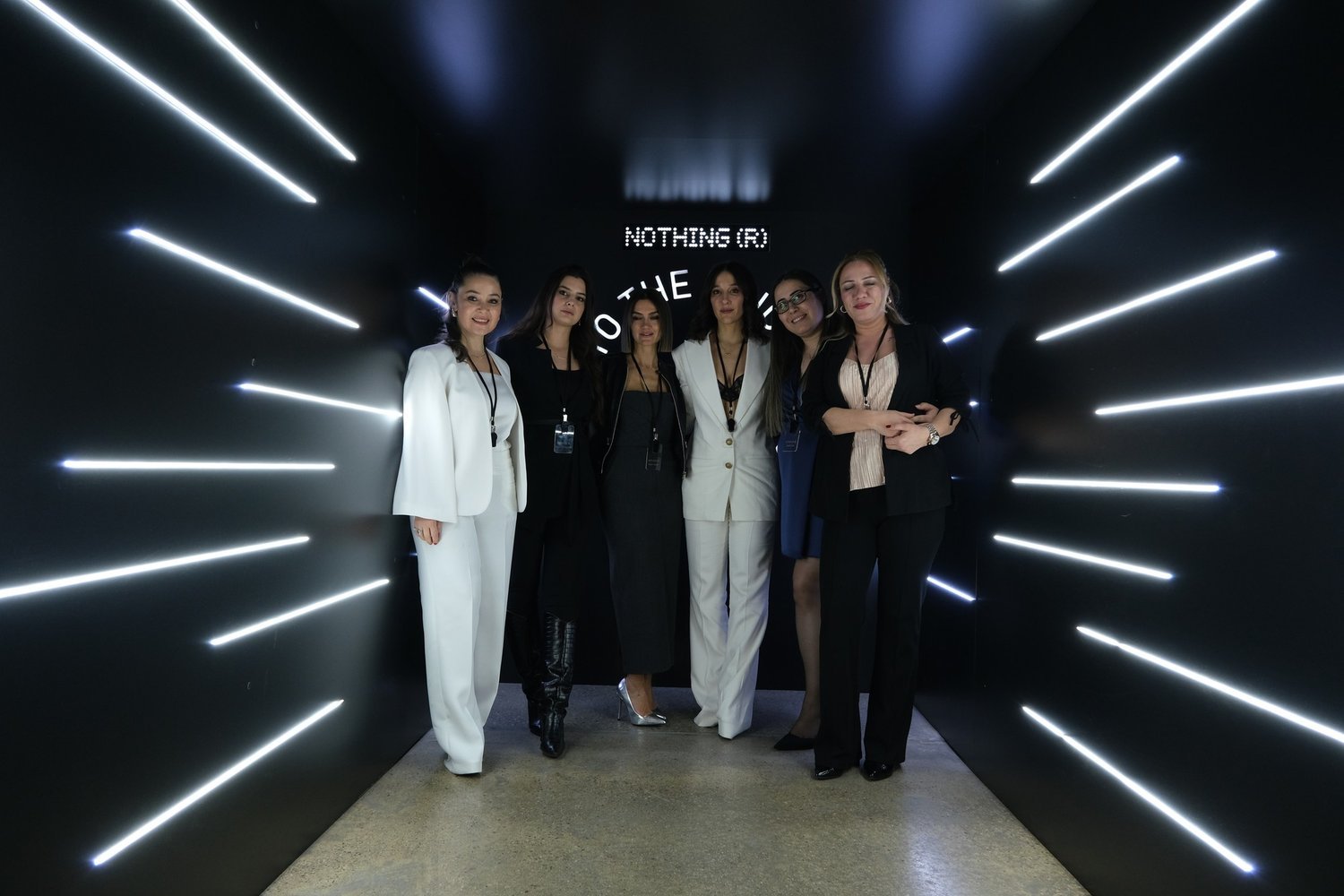
Nothing 2A Türkiye lansman alanında deneyim duvarı ve ziyaretçiler01 / 04

A good stand starts with the visitor’s journey

Planning the moments to enter, pause and move on.

Read the story
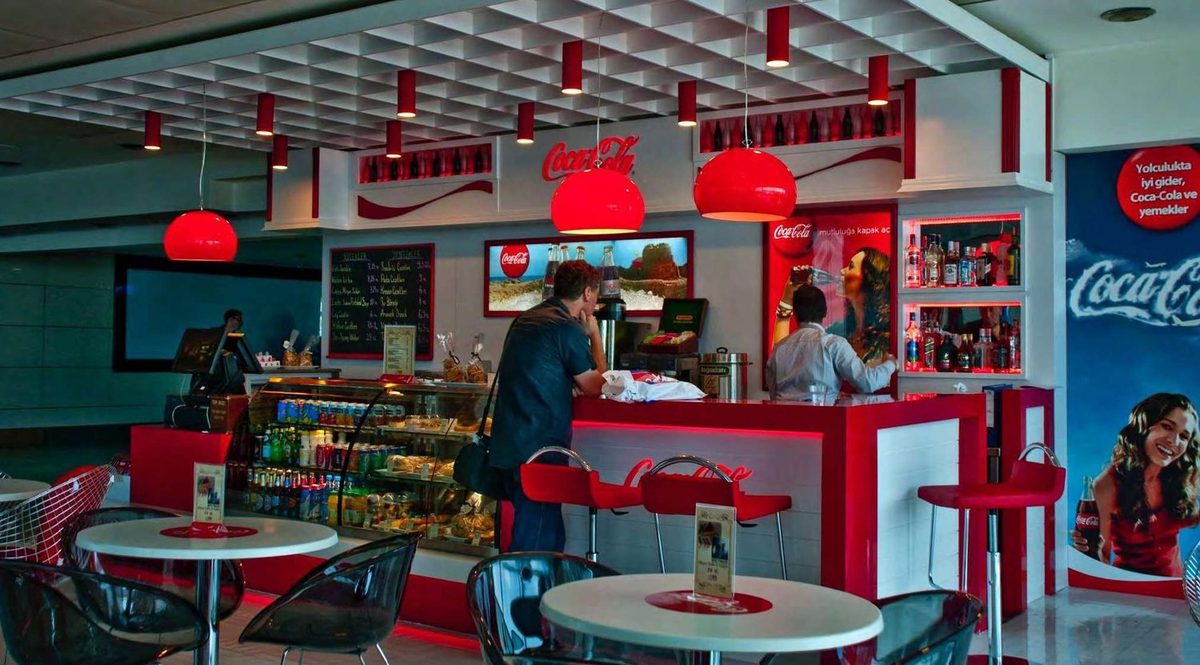
Coca-Cola için tasarlanan terminal içi marka alanı02 / 04

Brand experience is more than a logo

Making an identity tangible through scale, material, light and interaction.

Read the story
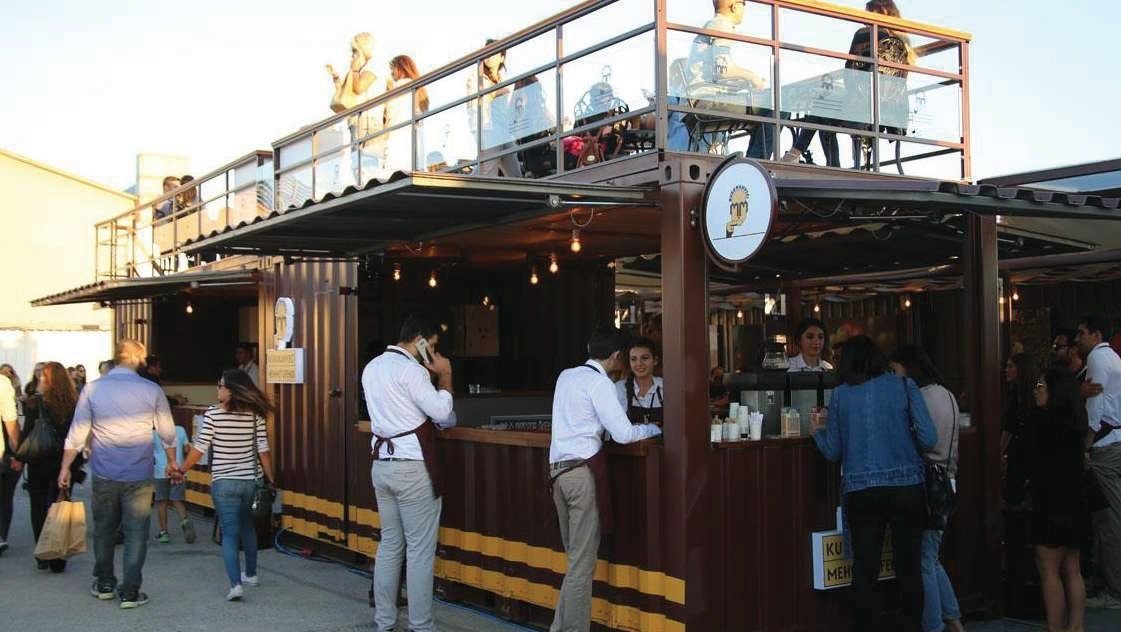
Kurukahveci Mehmet Efendi etkinlik alanında sıcak aydınlatma03 / 04

How can light guide people through a busy space?

Balancing emphasis, welcome and focus with a considered lighting plan.

Read the story
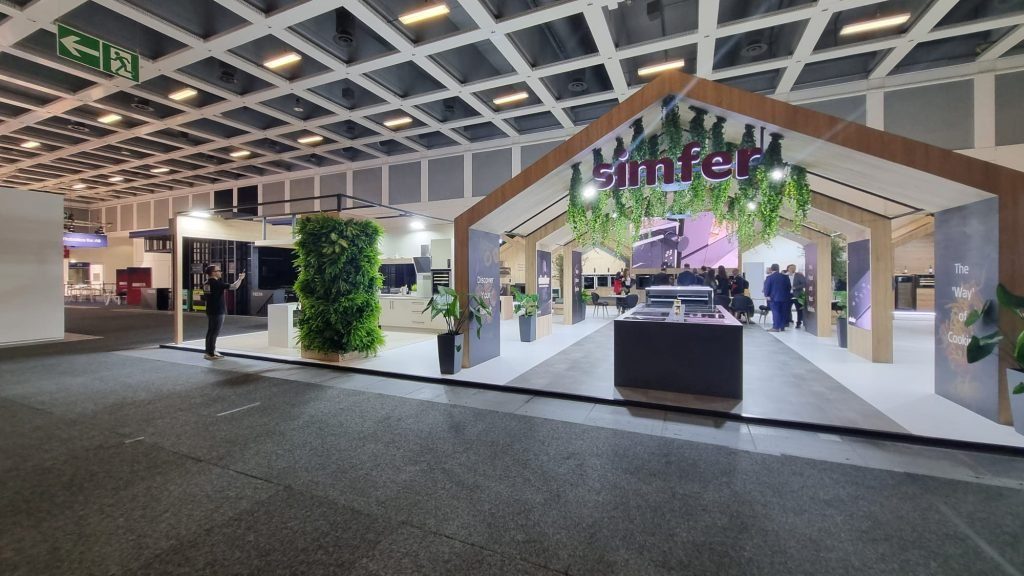
Simfer için hazırlanan fuar standının ziyaretçi cephesi04 / 04

A good-looking idea must work on site

Considering design, technical solutions and installation together from the start.

Read the story

A CLOSER LOOK

An idea becomes complete
when it meets people.

01

EVENT DESIGN

A good stand begins with the visitor’s journey.

In a busy exhibition hall, where visitors arrive from, where they pause and when they continue are all part of the design.

The first question is not only “What will we display?” Approaches, neighbouring stands and the main circulation routes matter too. Visitors should notice the stand from a distance and feel invited in without hesitation.

Inside, the layout makes room for quick introductions and longer conversations: a short product presentation, a standing chat or a quieter meeting. Furniture and graphics follow the same flow.

A good circulation plan offers choices, keeps sightlines open and gives people a natural reason to stay.

02

SPATIAL BRANDING

Brand experience goes beyond the logo.

A brand’s character is felt through scale, rhythm and the way people interact with a space.

A logo helps people recognise a brand, but it cannot create the whole experience. The silhouette seen on approach, the distance to a product, a material’s texture and a conversation with the team all leave an impression.

First, decide which part of the brand to bring forward. Then turn that idea into spatial choices: open or intimate, calm or energetic, focused on discovery or on the product? Every decision should support the same feeling.

That is how identity becomes part of the visitor’s experience, rather than a sign mounted on a wall.

03

LIGHT & ATMOSPHERE

How can light guide people through a busy space?

Light does more than make things visible; it helps show where attention begins and where it can rest.

At a fair or festival, many messages compete for attention. Lighting every surface equally can make the space harder to read. Start by deciding what matters most: a product, welcome point, stage or wayfinding.

Give that focus more definition and let the surrounding areas rest. Consider colour temperature alongside materials, reflections and screen content before installation.

When a lighting plan follows how people move and use the space, it creates atmosphere without unnecessary glare.

04

DESIGN TO DELIVERY

A good-looking idea must work on site.

Buildability is not a question to ask after design is finished; it is a measure to consider from the first idea.

Scale, transport, installation sequence, venue access and build time all shape design decisions. Discussing them early helps the team develop practical solutions without losing the original intent.

Technical drawings and material choices explain how each part is transported, joined and installed. Critical connections can be checked before fabrication whenever possible.

On-site coordination brings the intent in the drawings into the real space. When design and delivery share one plan, the process stays coherent.

HAVE A NEW IDEA?

Mekânı birlikte
düşünelim.

Let’s discuss your project